A driveway poured without proper preparation will crack, settle, or drain poorly in seasons that follow. A patio poured after a sloppy subgrade will heave under heavy rains. Proper preparation is the difference between a surface that performs for decades and one that becomes an expensive patchwork within a few years. For property owners in Tampa, FL, where heavy soils, high water tables, and sudden storms are part of the landscape, preparation matters even more. This is how All Phase concrete approaches site prep for new concrete so the finished slab does what it should, year after year.
Why preparation beats patchwork Most clients call because they want a durable, clean concrete surface, not because they understand soils, compaction, or subdrainage. The temptation is to go fast, pour, and move on. The cost to do the job right up front is almost always less than repeated repairs later. Good preparation reduces cracking, prevents vertical and lateral movement, improves surface drainage, and preserves finish quality. In Tampa, where clay pockets, sandy deposits, and seasonal rains interact, the margin for error is smaller than in more forgiving climates.
A practical survey before a shovel hits the ground The first visit to a site is an inspection, not a sales call. At All Phase concrete, technicians carry a tape, level, small soil probe, moisture meter, and camera. They look for subtle things most people miss: depressed lawn areas that indicate poor drainage; seams in old slabs that suggest differential settlement; roots from oak or ficus that could bolt through a slab years later. They note the slope of the property to determine whether water will collect next to the foundation or run away from it. They examine existing curb cuts, utility locations, and access for delivery trucks and a concrete pump if needed.
A detailed sketch follows the inspection. It lists measurements, probable excavation depths, and any soil remediation anticipated. That sketch becomes the baseline for materials, equipment, and labor estimates, and it keeps surprises to a minimum on installation day.
Subgrade management tailored to Tampa soils You can pour perfect concrete onto a poor subgrade and expect problems. That is especially true here because the Tampa area contains pockets of expansive clay, as well as sandy soils that drain quickly. All Phase concrete treats subgrade work as the structural beginning of the slab.
First, loose organic topsoil, turf, compost, and other unsuitable materials are stripped and hauled away. A consistent, engineered subgrade is established. If the native soils are unstable or overly moist, they remove them to a specified depth, typically 6 to 12 inches for residential slabs and deeper for commercial slabs. Where soils are sandy and free-draining, they sometimes leave the native material in place and compact it; where clays or organics exist, they replace it with a compactible fill such as clean structural fill or 3/4-inch road base.
Compaction is not negotiable. Crews use plate compactors or small rollers, depending on slab size, and they test for density at intervals. Experience shows that a poorly compacted subgrade will settle under loads, producing surface cracking that appears within the first rainy season. For that reason, All Phase concrete often specifies 95 percent modified proctor compaction in critical areas and documents it when the owner requests or when local codes require testing.
Addressing groundwater and drainage Tampa’s high water table affects many projects. All Phase concrete evaluates seasonal high water by checking nearby grades, storm drains, and any evidence of standing water. If a slab sits below the seasonal water table, they recommend either raising the slab on a compacted engineered fill or installing subdrain systems to move water away.
Simple measures, executed properly, make a big difference. For example, placing 4 to 6 inches of compacted gravel under the slab provides capillary break and improves uniformity of moisture migration beneath the concrete. In areas prone to long wet spells, a perforated drain line laid on a blanket of clean stone and tied to a gravity outlet or sump pump is often the correct move. The cost of a proper subdrain is small compared with the cost of repairing a heaved or buckled slab after a wet winter.
Reinforcement decisions that match the use Concrete is strong in compression and weak in tension, so reinforcement strategy must match purpose. For driveways and sidewalks, welded wire mesh or fiber reinforcement may be sufficient. For heavier commercial loads, All Phase concrete uses rebar sized to traffic loads and slab thickness. The crew positions reinforcement on chairs or stakes so it sits in the middle of the slab thickness after pour; sinking reinforcement to the bottom defeats its purpose.
Fiber admixtures have become more common because they reduce plastic shrinkage cracking and reduce microcrack propagation. For many residential slabs in Tampa, combining moderate wire mesh with polypropylene fibers gives a balance of control and economy. For slabs where heavy point loads or traffic are expected, rebar remains the right choice.
Formwork and edge preparation Forms set a slab’s shape, thickness, and edge quality. All Phase concrete builds forms from pressure-treated lumber with stakes to ensure straight lines under truck pressure during the pour. The crew checks for level and slope, adding shims or adjusting stakes until the line is true. For decorative edges or integrated steps, they use custom-formed profiles so the final cut looks intentional, not chipped.
Edge chamfers, joint placement, and control joint layouts are decided before pouring. Control joints reduce random cracking by creating a weak plane where the slab can open predictably. The rule of thumb in many cases is to place joints at intervals no greater than 24 to 36 times the slab thickness in inches; so for a 4-inch slab, joints every 8 to 12 feet are common. All Phase concrete adjusts this spacing depending on slab geometry, reinforcements, and finish type.
Concrete specification and mix considerations Not all concrete mixes behave the same under Florida conditions. All Phase concrete works with local ready-mix plants to specify mixes with appropriate slump, air content, and admixtures. For outdoor slabs exposed to sun and sudden storms, air entrainment of 4 to 7 percent improves freeze-thaw resilience, which is more relevant in northern states but still benefits durability by improving resistance to moisture expansion. In Tampa, where chlorides from coastal locations can affect steel, a denser mix with a lower water-cement ratio and proper cover over reinforcement reduces corrosion risk.
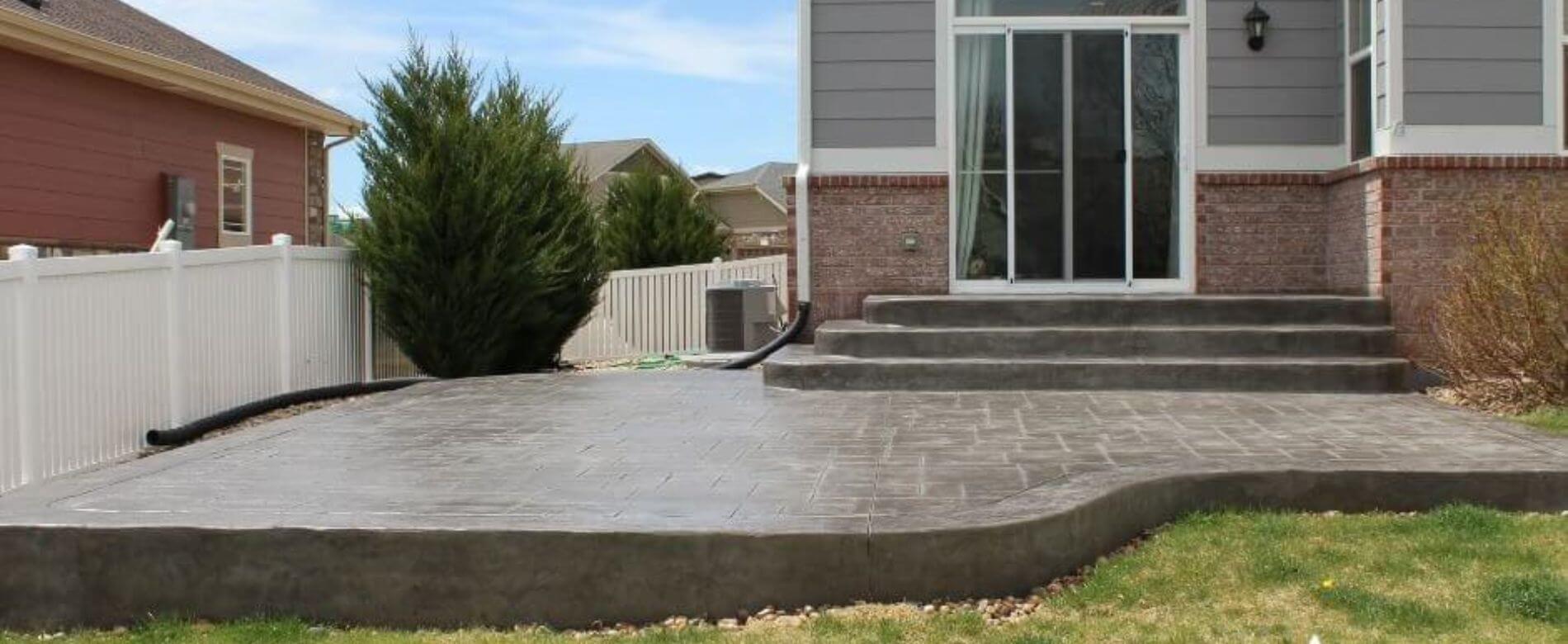
When a project requires fast turn-around or early opening, they may specify a mix with a set accelerator or higher cement content, but they balance that against increased cracking risk. For decorative or colored concrete, they coordinate pigment batches to minimize color variance and opt for integral color rather than surface stain when heavy wear is expected.
Pour day choreography A successful pour feels like choreography. Trucks arrive on schedule, pump lines are staged to minimize hose length, and crews stand by with bull floats, trowels, and finishing tools. For a 600-square-foot driveway, several concrete trucks may be needed; for a small sidewalk patch, a single load suffices. Timing is crucial: finishing too early can trap bleed water and cause dusting; finishing too late makes the surface gummy and difficult to finish cleanly.
Crews watch weather forecasts and plan pours to avoid pouring into heavy rain, but short, light showers can be managed with protective tarps and quick finishing. If the substrate is hot and dry, they mist the subgrade before pouring to prevent rapid drawdown of mix water from the slab bottom, which can weaken the surface.
Curing: the quiet work that pays dividends Curing receives less fanfare than pouring, but it is the most important factor in long-term strength and durability. Concrete gains strength by maintaining moisture and temperature during the initial 7 to 28 days. All Phase concrete uses curing compounds, wet burlap, or plastic sheeting depending on finish and client preference. For decorative surfaces, curing compounds preserve color uniformity while keeping moisture in. For structural slabs that will bear loads soon, wet curing or moisture-retaining mats provide the best strength development.
Clients sometimes ask for early removal of forms or Concrete construction services in Tampa FL quick opening to traffic. All Phase concrete advises realistic timelines: light foot traffic can generally occur after 24 to 48 hours in warm conditions, while vehicle traffic usually waits 7 days and full design strength is not reached until 28 days. If faster opening is essential, the team specifies a mix and curing regimen that will achieve the desired strength quickly, but they also warn about higher shrinkage and the need for observed strength checks.
Control joints and sawcut timing Sawcut control joints must be placed at the right time to be effective. If cut too late, the slab may crack unpredictably; cut too early and the saw can tear the surface. In Tampa’s warm climate, timing often lands between 4 and 12 hours after finishing for standard mixes, sometimes sooner on hot, windy days. Experienced crews monitor surface bleed, set trowel marks, and select the moment when the slab can be scored cleanly without raveling.
Post-pour inspections and documentation Once the slab cures beyond early strength, All Phase concrete performs a walk-through with the owner. They point out joints, finish details, and any movement allowances. For larger jobs, they provide documentation: mix ticket copies, compaction records, and joint layout diagrams. This documentation proves useful if warranty issues arise or if future work requires tying into the slab.
A short checklist clients can use before their pour
- Confirm access for trucks and pumps and clear a 12-foot path when possible. Mark underground utilities and let the crew verify depths prior to excavation. Remove vehicles, furniture, and any fragile landscaping within the work zone. Decide on finish, color, and edge profiles at least a week before the pour. Arrange for a watering schedule if landscaping will abut the new slab.
Handling trade-offs and common challenges Every job has constraints. Tight budgets push owners toward thinner slabs, yet too thin a slab for the use will not perform. In coastal areas, the choice between wire mesh and rebar turns on expected loads and corrosion risk. Mesh is economical and works for light loads, but rebar is better for controlling larger cracking and maintaining long-term strength under vehicle traffic. When fill needs replacement, owners must weigh site disturbance against long-term stability. Removing and replacing 6 to 12 inches of poor soil costs more upfront but avoids headaches later.
On small residential jobs, space for trucks or lack of staging can force a manual pour, increasing labor time. All Phase concrete plans alternate strategies, such as using smaller, nimble mixing equipment or staging the pour in lift sections rather than one continuous pour.
Local code, permits, and coordination Work in Tampa often requires permits, especially for driveways, curbcuts, or work impacting drainage. All Phase concrete assists clients with permit drawings and coordinates inspections when required. They understand local requirements for setbacks, slope, and stormwater management and can advise on the most practical approach to meet codes without unnecessarily inflating costs.
Why experience matters in Tampa A crew that has poured one sidewalk is different from one that has worked across dozens of neighborhoods in the Tampa area. Experience builds pattern recognition: where sinkholes or soft spots tend to appear, which nearby properties are likely to alter drainage after a pour, and which ready-mix plants produce the most consistent batches in high humidity. All Phase concrete brings that field experience to each job, and that reduces surprises.
Real examples that illustrate the approach A recent small commercial job involved replacing a loading dock apron next to a strip mall. The site sat on a pocket of sandy fill with a history of standing water after storms. The crew excavated 10 inches of poor material, installed a perforated subdrain tied to the storm outlet, compacted a 6-inch crushed stone base to 95 percent relative compaction, and placed doweled rebar into the existing slab to create a monolithic action at the junction. The result was an apron that held up under delivery truck traffic where previous attempts failed within two years.
On a residential driveway, a homeowner wanted a decorative broom finish with a colored integral mix. The site had a mature oak nearby. Rather than dig out the entire root zone, the team designed a slightly cantilevered edge with a root barrier and increased slab thickness near the tree. They also coordinated pigmented mix batches to minimize color variation. The homeowner gained a durable, attractive driveway and preserved the tree.
Maintenance and expectations after the pour Concrete is low maintenance but not no maintenance. Sealing decorative slabs every two to five years, controlling water flow away from slab edges, and avoiding planting aggressive roots near edges prolong life. For driveways, avoid parking heavy equipment in one spot for long periods during early cure; and for surfaces near salt air, periodic rinsing and a protective sealer reduce chloride penetration.
Choosing a contractor: what to look for Hiring an installer is as much about process as price. Look for a company that provides a written scope of work, discusses soils and drainage rather than just slab thickness, and offers a planned schedule that fits weather and truck availability. Contractors who document compaction tests, provide mix tickets, and explain curing and joint timing offer transparency that pays off. References from recent local jobs show how the finished work behaves after a couple of seasons in Tampa conditions.
Final persuasion: the long view Shortcuts in site preparation are tempting for budget-conscious clients, but they rarely save money over the life of a slab. Spending on proper soil remediation, compaction, drainage, and curing is an investment in durability. For Tampa properties facing variable soils and heavy seasonal storms, that investment yields slabs that crack less, settle less, and require fewer repairs. All Phase concrete treats each project with that perspective, pairing field experience with practical choices about materials and methods so the finished concrete performs as intended for years to come.